
Blog
Scalable Systems Fail? What Call of Duty Taught Us About Resilience
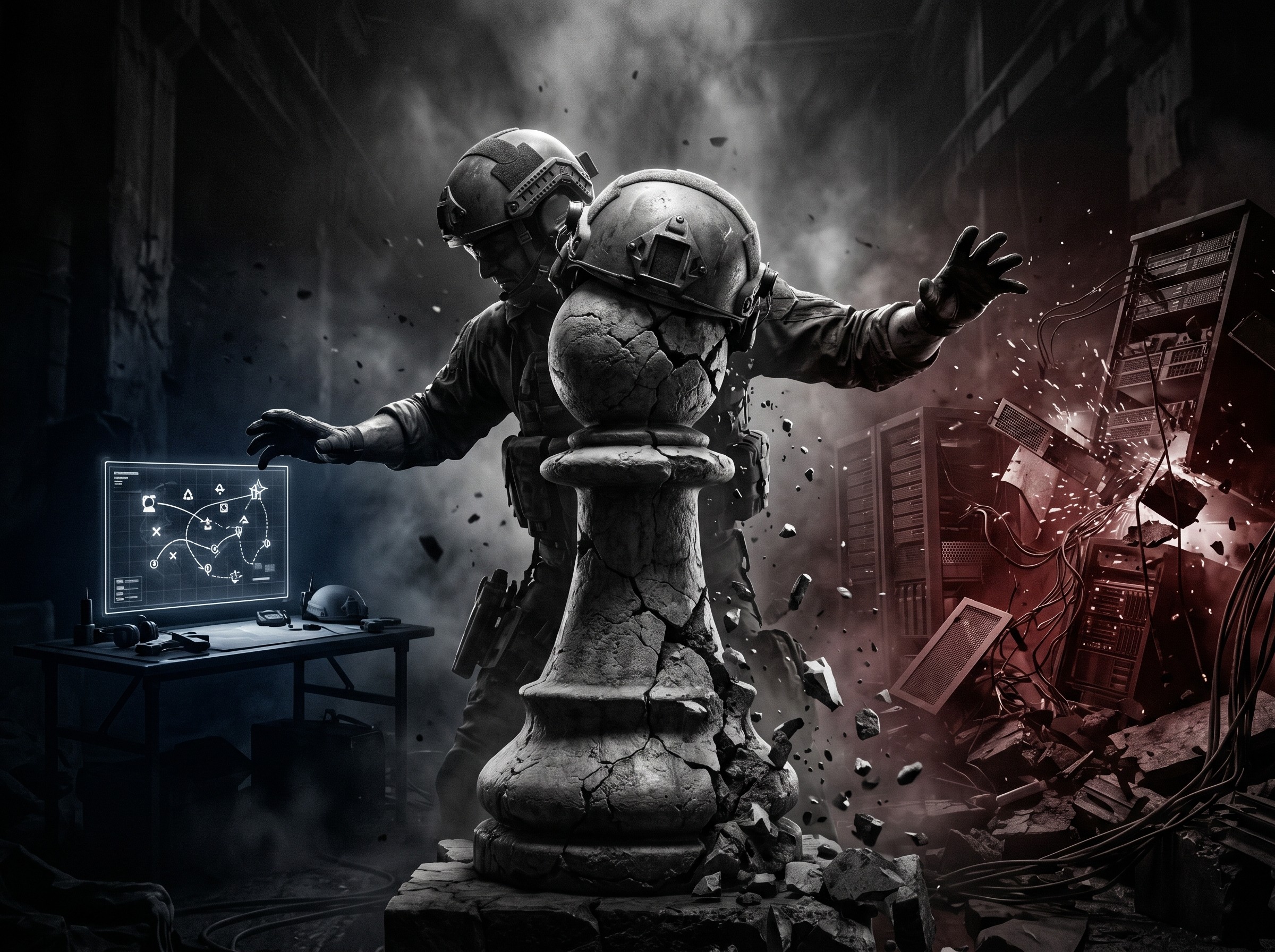
The Myth of the Unstoppable Franchise
When Microsoft put Call of Duty on Game Pass day one, a lot of us held our breath. The logic seemed bulletproof. If any IP could single-handedly brute-force the subscription economics of gaming, it was CoD. But here we are, and reality has hit back hard. Honestly, I’m not surprised, and as someone deep in AAA production strategy, this is a conversation we desperately needed to have out loud.
The Economics Pushed Back
The assumption was simple: acquire millions of new subscribers through the sheer gravity of the biggest shooter on the planet. But the market didn’t cooperate. Instead of a massive, lasting surge, we saw a tradeoff that hurt the bottom line. Premium sales took a significant hit, and the subscription numbers didn’t create the stickiness Microsoft hoped for. The math broke down because blockbuster content still demands premium monetization. You simply cannot treat a high-cost, high-value cultural event like a disposable rental product without leaving massive amounts of money on the table. The economic friction is too strong, even for CoD.
The Bottleneck Just Moved
This isn't just a Microsoft problem or an Xbox problem. It’s a flashing warning sign for our entire industry. For years, the narrative was about more: more content, more AI, more outsourcing. But we’re learning the hard way that scale without structure doesn't solve problems; it just relocates them. More AI doesn’t magically fix your production hell if your creative direction is broken. More outsourcing doesn’t mean stronger delivery if your partners don’t have the context to make smart decisions themselves. Scale without structure moves the bottleneck from raw output capacity to communication, integration, and financial sustainability. You end up feeding a bigger machine that’s just as broken as the small one.
The Return to Fundamentals
The market is sobering up. We’re seeing a sharp turn back to fundamentals that actually hold the floor when pressure mounts:
Predictable execution over hopeful velocity.
Sustainable margins over bloated user-acquisition numbers.
Production resilience that absorbs chaos instead of cracking under it.
Teams that reduce risk, not just tick boxes on asset delivery.
Beyond Vendors: The Need for Stability
This shift is the core of my work in external development. The smartest studios are no longer hunting for vendors who can just push out more art or more code. They desperately need embedded partners who protect continuity, hold the creative and technical context, and keep production stable when schedules go sideways. The conversation has matured. We’re not selling capacity anymore; we’re providing production stability. Because when a giant like Call of Duty can’t force the subscription math to work, the era of "growth at all costs" is officially over. The future belongs to systems that actually hold.