
Blog
AAA Game Success: Methodology Over Roulette
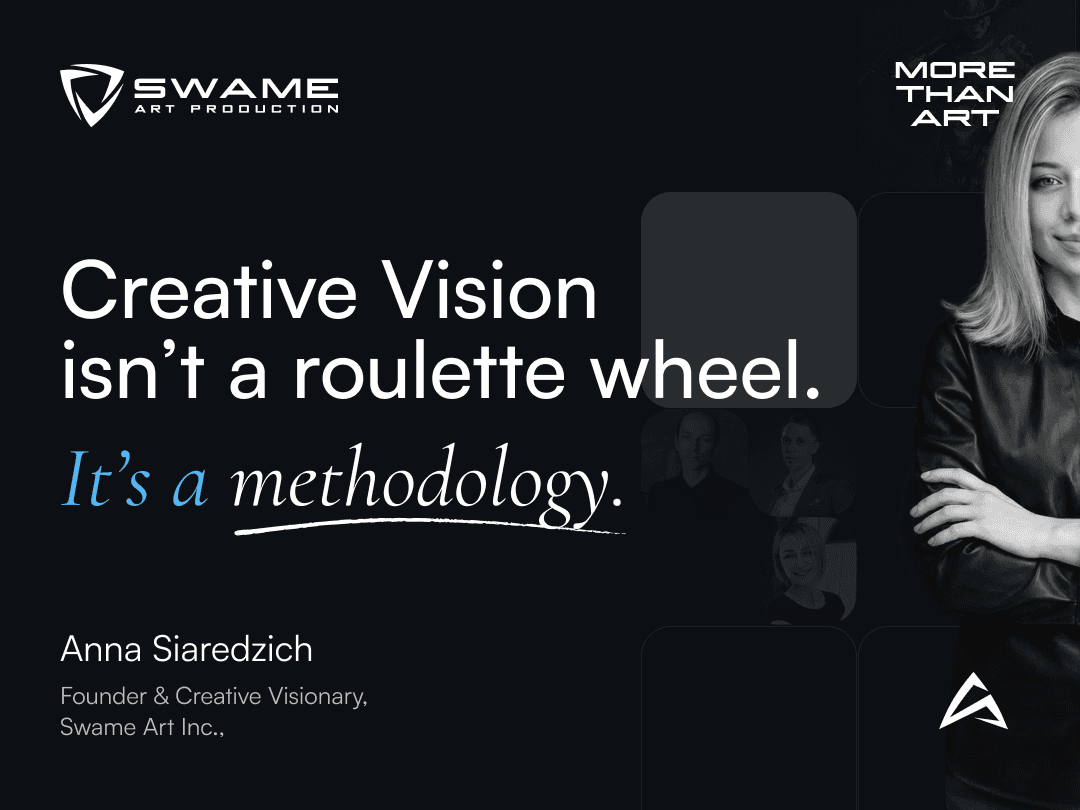
I recently found myself in a heated argument with a colleague about what's really happening in the gaming industry right now.
His take was simple: "Games are art. Nobody can guarantee anything. We're just seeing market saturation and audience fatigue. It's a natural correction."
My response? Not so simple — but far more actionable.
I've written three whitepapers and countless LinkedIn posts on this subject. What we're witnessing isn't just a market correction. It's a structural collapse of something far more fundamental: our institutional memory.
We're losing context within teams. We're forgetting how to build. And that's a far bigger problem than any market cycle.
The Real Question Nobody's Asking
Here's what keeps me up at night: Is success in game development a lottery, or can we actually engineer it
I spent 11.5 years studying fine art. I didn't wake up one morning instinctively knowing color theory or composition. These weren't gifts — they were transferable skills, taught to me by mentors who understood that creativity follows patterns.
The same principle applies to creative vision in gaming.
Taste isn't mysterious.
Trends aren't random.
Purchasing power isn't unpredictable.
This isn't a roulette wheel — it's research. It's methodology.
It's understanding that creativity operates on principles you can learn, apply, and refine.
Why Most Teams Get This Wrong
The industry's biggest blind spot? Ignorance dressed up as creative freedom.
When leaders treat creativity as magic, they stop paying attention to market signals. They develop blind faith in "good ideas" without any framework for testing or validation. And that's exactly how projects end up in the graveyard — not because they were bad ideas, but because they were executed in isolation from reality.
This isn't about killing creativity. It's about understanding that creativity without methodology is just gambling with other people's money.
The Hard Truth About Failure
Here's something I wish more people understood: those "failures" we keep seeing aren't really losses — they're industry costs.
Every failed project teaches us something. Every misstep reveals a gap in our knowledge. Every canceled title adds to our collective understanding of what works and what doesn't.
But here's the catch: we have to actually learn from these lessons. We have to capture them, document them, and pass them on.
That's what institutional memory really means. It's not about avoiding failure — it's about making sure each failure builds something for the next project.
What Creativity Actually Means
So let me ask you again: What is creativity?
Is it luck? Is it magic? Is it some inexplicable gift that only a chosen few possess?
Or is it something far more practical — a methodology that combines research, iteration, and transferable skills into a repeatable process?
I know where I stand. Creativity is a methodology. Most people just don't get it yet.
The Bottom Line
There's no magic pill in game development. Just ideas and iterations. But those iterations only matter if we're learning from them — and sharing those lessons across teams, projects, and generations of developers.
The industry isn't collapsing because of market saturation. It's struggling because we've forgotten how to build together, how to learn from each other, and how to treat creative vision as the craft it truly is.